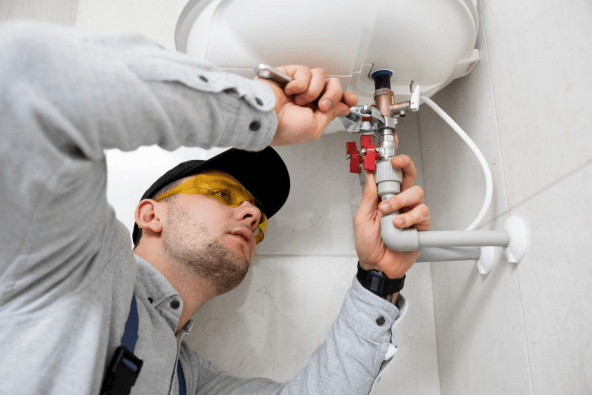
Proper water heater maintenance reduces outages and extends life. Start with monthly checks: inspect for corrosion or leaks, verify thermostat settings, and note energy use. If anything looks off, schedule a professional service. Safe flushes and leak inspections involve powering down, shutting the cold-water supply, isolating valves, draining, and resealing before restoring power. Keep thermostat settings moderate and document results to spot trends that suggest further action. The next steps implement these routines with precision, then address any warning signs you encounter.
Why Maintaining a Water Heater Matters
Regular maintenance helps prevent unexpected outages, extend the life of the unit, and keep energy use efficient. The discussion focuses on why sustaining a water heater matters, emphasizing reliability, safety, and cost savings. A disciplined approach reduces downtime and energy waste.
Irrelevant topic, off topic chatter should be avoided; concise, purposeful actions replace distractions and guide ongoing system health.
Quick System Checks You Can Do Monthly
Monthly quick checks help verify basic system health without disassembly. The procedure emphasizes simple, repeatable actions that empower users to maintain reliability. Conduct visual inspections for corrosion, leaks, and wiring integrity. Verify thermostat settings and energy-use patterns, noting any anomalies. Document results for monthly maintenance records, and schedule professional service if abnormalities arise. These quick checks encourage proactive, autonomous system stewardship.
How to Flush and Inspect for Leaks Safely
To flush a water heater and inspect for leaks safely, begin by gathering the necessary tools and shutting off power to the unit, followed by turning off the cold-water supply and isolating the temperature/pressure valve as required by the manufacturer’s guidance.
The procedure emphasizes leak inspection, drain safety, full frontal access, controlled drainage, and immediate resealing after test checks.
See also: The Real Potential of 5G Technology
Tuning Settings and When to Call a Pro
After ensuring the system is safe following the flush and leak checks, attention turns to tuning the water heater settings and recognizing when professional help is warranted. The approach favors practical adjustments: set the thermostat to a moderate range, avoid extreme temps, and test hot water output. If issues persist, document symptoms for pro intervention and secure baseline performance.
Conclusion
Regular maintenance keeps water heaters reliable and efficient, reducing outages and extending life. Monthly inspections, safe flushing, and leak checks should become routine, with thermostat settings noted for ongoing comparison. When performance falters, don’t hesitate to seek professional help. As the old adage goes, “An ounce of prevention is worth a pound of cure.” By staying proactive, homeowners protect comfort, save energy, and minimize costly repairs over time.